
Comprehensive care for age-related musculoskeletal conditions and mobility enhancement. We help seniors maintain independence, reduce pain, and improve quality of life.

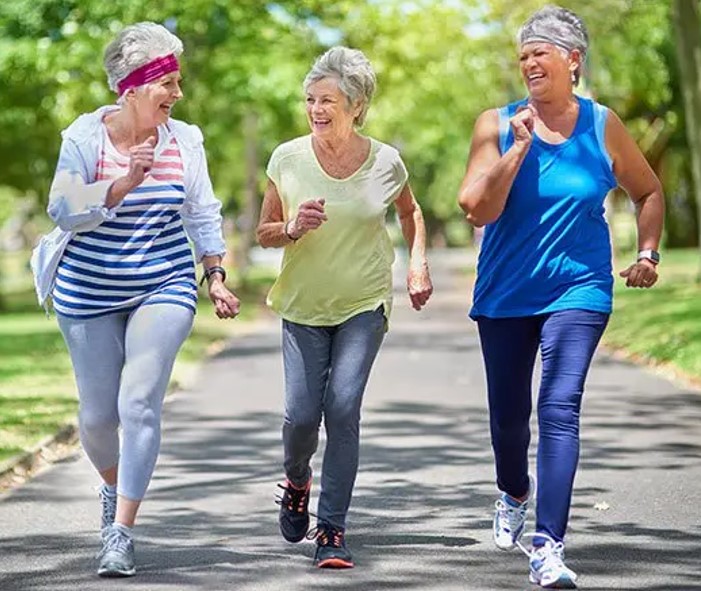
As we age, our musculoskeletal system undergoes natural changes that can affect mobility, strength, and independence. Understanding these changes is the first step toward effective management.
Gradual loss of bone mass increases fracture risk, especially in postmenopausal women.
Wear and tear of joint cartilage leads to osteoarthritis and joint stiffness.
Sarcopenia (age-related muscle loss) affects strength, balance, and mobility.
Changes in proprioception and reaction time increase fall risk.
Expert diagnosis and management for age-related conditions
Most common form of arthritis caused by wear and tear of joint cartilage. Affects knees, hips, hands, and spine.
Affects 80% over 55Autoimmune inflammatory arthritis that can develop or persist into senior years. Requires specialized management.
1-2% of seniorsCrystal-induced arthritis common in seniors. Often affects big toe, knees, wrists, and fingers.
Common after 65Age-related degeneration of shoulder tendons causing pain and limited movement. Common in active seniors.
30% over 70Osteoarthritis of the thumb base (CMC joint) causing pain with gripping and pinching activities.
Common in womenArthritis affecting weight-bearing joints of the foot and ankle, impacting walking and balance.
Increases with ageProgressive bone density loss increasing fracture risk. Often asymptomatic until fracture occurs.
50% women over 50Serious consequence of osteoporosis with high morbidity. Requires prompt surgical intervention.
300,000+ annuallyCommon fragility fracture from falls onto outstretched hand. Often first sign of osteoporosis.
Common in womenSpine fractures from osteoporosis causing back pain, height loss, and kyphosis (dowager's hump).
Often undiagnosedFractures occurring from minimal trauma (fall from standing height) indicating bone weakness.
Red flag for osteoporosisLow bone mass that precedes osteoporosis. Early intervention can prevent progression.
34 million AmericansNarrowing of spinal canal causing nerve compression, leg pain, and walking difficulty (neurogenic claudication).
Common after 60Age-related sideways curvature of the spine causing back pain, imbalance, and breathing difficulties.
60% over 60Age-related changes in spinal discs causing pain, stiffness, and reduced flexibility.
Universal with agingDegenerative tears of hip cartilage often associated with arthritis and hip impingement.
Increases with ageAge-related changes in tendons (tendinosis) affecting rotator cuff, Achilles, and elbow tendons.
Common over 50Degenerative knee cartilage tears common in seniors, often without significant injury.
60% over 65Persistent back pain lasting more than 3 months, often multifactorial in seniors.
25% of seniorsAge-related neck arthritis causing pain, stiffness, and sometimes nerve compression symptoms.
85% over 60Chronic widespread pain syndrome that can persist or develop in later years.
2-8% of populationIncreased nervous system sensitivity amplifying pain signals. Common in chronic pain conditions.
Often overlookedNerve pain from conditions like diabetes, shingles, or spinal compression.
7-10% of populationChronic pain disorder with trigger points in muscles, often associated with arthritis.
Common comorbidityPersonalized care plans for senior musculoskeletal health
Non-surgical approaches tailored to seniors' unique needs and medication sensitivities.
Advanced techniques with minimal downtime, ideal for seniors with multiple health conditions.
When necessary, specialized senior-friendly surgical approaches with enhanced recovery protocols.
Improving movement, balance, and independence
Customized exercises to improve stability and reduce fall risk, including tai chi and specific balance drills.
Age-appropriate resistance training to combat sarcopenia and maintain functional strength.
Improving walking pattern and efficiency, often with assistive devices when needed.
Prescription and training for canes, walkers, and other mobility aids to enhance safety.
Reducing the risk of falls and fractures
Identifying and modifying environmental hazards like loose rugs, poor lighting, and slippery surfaces.
Regular eye exams and medication management to reduce dizziness and balance issues.
Dietary guidance for adequate calcium, vitamin D, and protein to maintain bone and muscle health.
Recommendations for hip protectors and other safety gear for high-risk individuals.
Common questions about senior musculoskeletal health
While some degree of wear and tear is common with aging, significant joint pain is NOT something you should simply accept. Many age-related musculoskeletal conditions are treatable, and pain can often be significantly reduced or eliminated. Effective treatments range from physical therapy and medications to minimally invasive procedures and joint replacement surgery. The goal is not just pain relief but maintaining function and quality of life. Early intervention can prevent worsening of conditions and preserve mobility.
Osteoporosis screening should begin at age 65 for women and age 70 for men, or earlier if you have risk factors. Risk factors include: family history of osteoporosis or hip fracture, personal history of fracture after age 50, early menopause (before 45), low body weight, long-term steroid use, smoking, excessive alcohol consumption, and certain medical conditions. Women should consider screening at menopause if they have significant risk factors. Bone density testing (DEXA scan) is painless and takes only 10-15 minutes. Early detection allows for preventive measures before fractures occur.
Yes, joint replacement surgery is generally safe for seniors when performed by experienced surgeons using modern techniques. Age alone is not a contraindication - overall health and functional status are more important considerations. Senior-specific protocols include: comprehensive preoperative assessment, optimization of medical conditions, minimally invasive surgical techniques, enhanced recovery protocols, and specialized rehabilitation. Benefits often outweigh risks when pain significantly limits daily activities, sleep, and quality of life. The decision is made collaboratively considering individual health status, goals, and preferences.
Safe exercises for seniors with musculoskeletal conditions include: 1) Low-impact aerobic exercise - walking, swimming, stationary cycling, water aerobics; 2) Strength training - light weights, resistance bands, body weight exercises (avoid high impact with osteoporosis); 3) Flexibility exercises - gentle stretching, yoga, tai chi (modified as needed); 4) Balance training - standing on one foot, heel-to-toe walking, balance board exercises. Key principles: start slowly, warm up properly, avoid high-impact activities with osteoporosis, listen to your body (some muscle soreness is normal, joint pain is not), and work with a physical therapist for personalized guidance.
Fall prevention at home involves multiple strategies: 1) Remove hazards - secure rugs, clear clutter, ensure good lighting; 2) Install safety features - grab bars in bathroom, handrails on stairs, non-slip mats; 3) Wear proper footwear - non-slip soles, good support, avoid loose slippers; 4) Manage health conditions - regular eye exams, medication review, blood pressure monitoring; 5) Improve strength and balance - regular exercise program; 6) Use assistive devices - cane or walker if recommended; 7) Be cautious - take time getting up, avoid rushing, use night lights. Consider a home safety assessment by an occupational therapist for personalized recommendations.
Key nutrients for senior musculoskeletal health include: 1) Calcium - 1200mg daily from dairy, leafy greens, fortified foods; 2) Vitamin D - 800-1000 IU daily for bone health and muscle function (sun exposure, fatty fish, fortified foods, supplements); 3) Protein - 1.0-1.2g per kg body weight daily to prevent sarcopenia (lean meats, fish, eggs, dairy, legumes); 4) Vitamin C - for collagen formation (citrus fruits, berries, peppers); 5) Omega-3 fatty acids - anti-inflammatory (fatty fish, walnuts, flaxseed); 6) Magnesium & Vitamin K - for bone metabolism (nuts, seeds, leafy greens). Consider consulting a dietitian for personalized advice, especially if you have dietary restrictions or medical conditions affecting nutrient absorption.
Don't let pain and mobility issues limit your golden years. Our specialized senior musculoskeletal care focuses on pain relief, functional improvement, and maintaining independence. We provide comprehensive, compassionate care tailored to the unique needs of older adults.