Minimally invasive joint surgery for faster recovery, less pain, and better outcomes. Our expert surgeons use advanced arthroscopic techniques to diagnose and treat joint problems with precision.
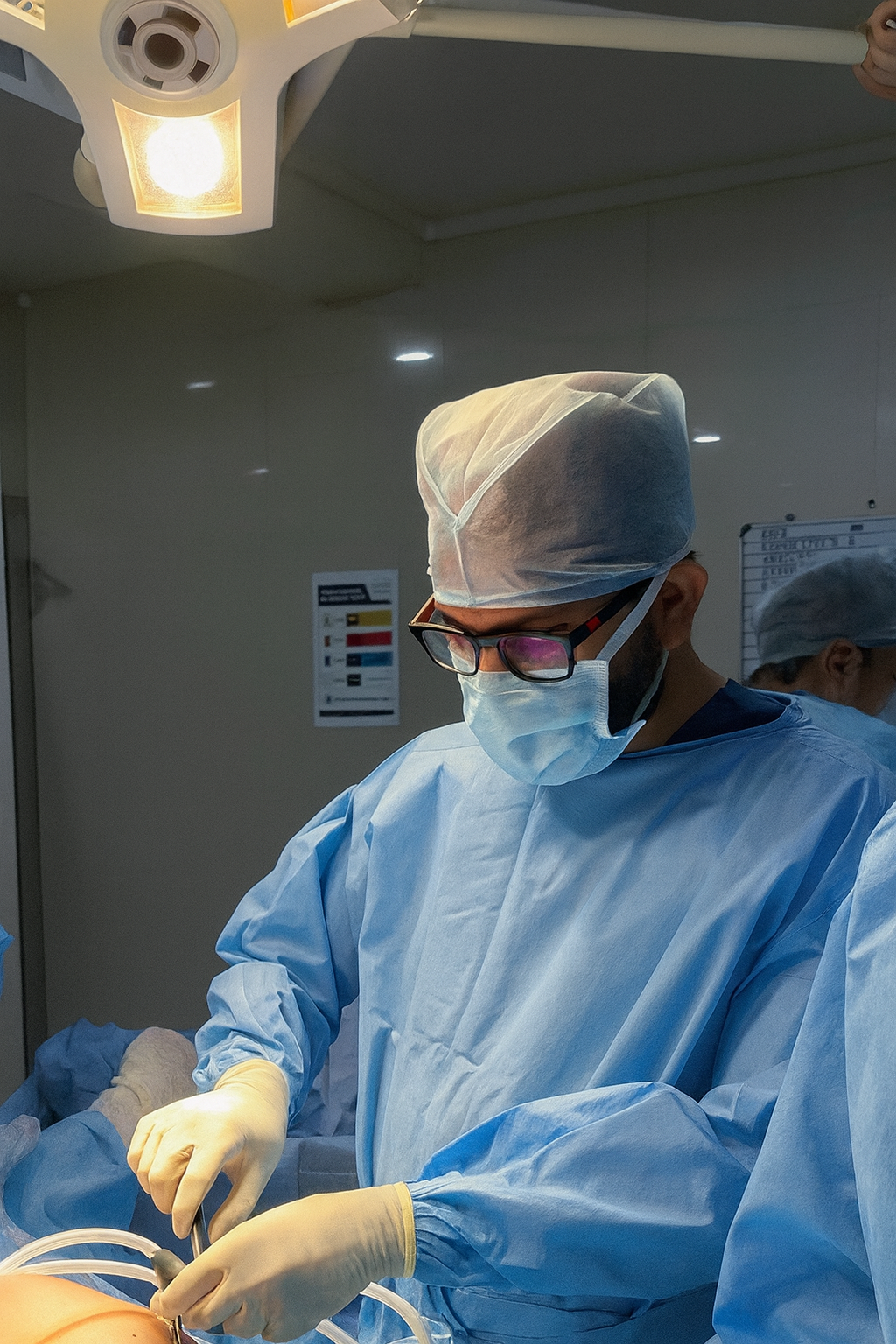
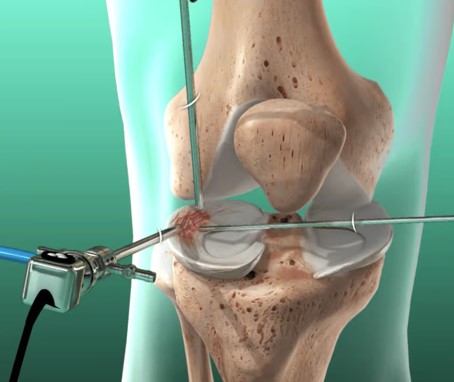
Arthroscopy, also known as keyhole surgery, is a minimally invasive surgical procedure that allows orthopedic surgeons to visualize, diagnose, and treat problems inside a joint through small incisions, using a tiny camera called an arthroscope.
This advanced technique provides numerous benefits over traditional open surgery, including less tissue damage, reduced pain, faster recovery times, and minimal scarring. At Align Plus Ortho, we utilize state-of-the-art arthroscopic equipment for precise diagnosis and treatment.
Understanding the differences between these advanced diagnostic and treatment modalities
Both arthroscopy and nanoscopy are minimally invasive, but they serve different purposes. Compare their features below.
| Arthroscopy | Nanoscopy | |
|---|---|---|
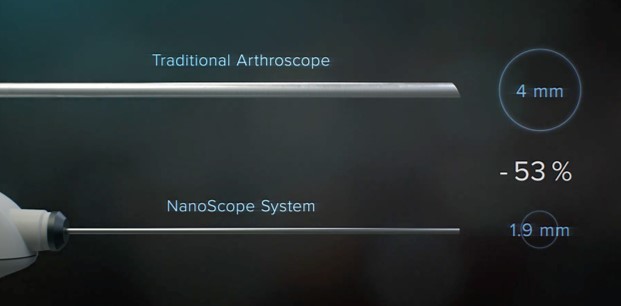
| Instrument size | 4–5 mm camera | ~1.9 mm needle-sized camera |
| Invasiveness | Minimally invasive surgery | Ultra–minimally invasive |
| Pain after procedure | Mild to moderate | Minimal |
| Recovery time | Days to weeks | Same day or next day recovery |
| Therapeutic capability | Full repair & reconstruction possible | Limited to minor procedures |
| Ideal use | Definitive surgical treatment | Early diagnosis & selected treatments |
Definitive surgical repair is required. Choose arthroscopy for complex reconstructions, ligament repairs (ACL), rotator cuff repairs, meniscus repairs, and other major joint procedures.
Early diagnosis, unexplained joint pain, and minor procedures with faster recovery and minimal downtime. Ideal for diagnostic evaluation and selected minor therapeutic interventions.
Expert treatment for a wide range of joint problems
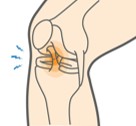 ACL Reconstruction
Repair or reconstruction of torn anterior cruciate ligament using arthroscopic techniques.
Treatment of torn meniscus cartilage, either by repair or partial removal.
Procedures to repair or regenerate damaged articular cartilage in the knee.
Removal of inflamed synovial tissue in conditions like rheumatoid arthritis.
Correction of patellar tracking problems and stabilization procedures.
Removal of loose bone or cartilage fragments from the knee joint.
Arthroscopic repair of torn rotator cuff tendons in the shoulder.
Treatment for recurrent shoulder dislocations and instability.
Decompression surgery for shoulder impingement and bursitis.
Repair of torn labrum (SLAP tears, Bankart lesions).
Treatment for AC joint separations and arthritis.
Arthroscopic release for adhesive capsulitis (frozen shoulder).
Repair of torn labrum in the hip joint.
Bone reshaping for FAI syndrome causing hip pain.
Treatment for cartilage defects in the hip joint.
Removal of inflamed synovial tissue in the hip.
Treatment for torn ligamentum teres in the hip.
Removal of loose fragments from the hip joint.
Repair of chronic ankle instability and ligament reconstruction.
Treatment for osteochondral defects in the ankle.
Removal of bone spurs and soft tissue causing impingement.
Removal of inflamed synovial tissue in arthritic ankles.
Removal of loose fragments from the ankle joint.
Arthroscopic treatment of tendon disorders around the ankle.
Step-by-step process of minimally invasive keyhole surgery
Thorough medical evaluation, imaging studies (MRI, X-rays), and anesthesia planning. You'll receive specific instructions about medications, fasting, and preparation for surgery day.
Depending on the joint and procedure, anesthesia options include general anesthesia, regional anesthesia (spinal/epidural), or local anesthesia with sedation to ensure complete comfort during surgery.
2-3 small incisions (5-10mm each) are made around the joint. These serve as portals for the arthroscope and specialized surgical instruments.
The arthroscope (tiny camera) is inserted, providing a magnified view of the joint interior on a high-definition monitor, allowing precise diagnosis of the problem.
Specialized miniature instruments are used to perform the necessary repairs, removal, or reconstruction based on the diagnosis, all under direct visualization.
The instruments are removed, incisions are closed with sutures or steri-strips, and a sterile dressing is applied. You'll begin recovery immediately with specific rehabilitation instructions.
What to expect during your recovery journey
Pain management, rest, ice application, elevation, and gentle movement as tolerated. Most patients go home the same day.
Begin physical therapy, gentle range of motion exercises, weight-bearing as allowed, and wound care. Return to sedentary work if needed.
Progressive strengthening exercises, increased activity level, return to light daily activities, and driving (if joint allows).
Sport-specific training, gradual return to sports and physical activities, continued strengthening, and functional training.
Why choose minimally invasive keyhole surgery
The modern approach to joint surgery
The conventional approach
Common questions about arthroscopy and keyhole surgery
Arthroscopy is significantly less painful than traditional open surgery. Most patients experience mild to moderate discomfort that is well-managed with oral pain medications. The small incisions cause minimal tissue damage, resulting in less postoperative pain and faster recovery.
Most arthroscopic procedures take between 30 minutes to 2 hours, depending on the complexity of the condition being treated. Simple procedures like diagnostic arthroscopy or loose body removal may take 30-45 minutes, while more complex repairs like ACL reconstruction or rotator cuff repair may take 1.5-2 hours.
Return to work depends on your job type and the joint treated. For sedentary jobs, you may return in 3-7 days. For jobs requiring standing or light physical activity, 1-2 weeks may be needed. For heavy manual labor or sports, 6-12 weeks may be required depending on your specific procedure and recovery progress.
While arthroscopy is generally safe, all surgeries carry some risks. These may include infection, blood clots, nerve or blood vessel damage, stiffness, or incomplete resolution of symptoms. However, complication rates for arthroscopy are significantly lower than for traditional open surgery. Our experienced surgeons take all precautions to minimize risks.
Driving is typically allowed when you have adequate control of the vehicle and are no longer taking narcotic pain medications. For knee or ankle arthroscopy, this is usually 1-2 weeks. For shoulder arthroscopy on your dominant side, driving may be restricted for 4-6 weeks. Always follow your surgeon's specific recommendations.
Yes, physical therapy is a crucial part of recovery after most arthroscopic procedures. It helps restore range of motion, rebuild strength, and ensure proper healing. The duration and intensity of therapy depend on the specific procedure, but most patients begin within days to weeks after surgery and continue for several weeks to months.
Protein intake is critical after arthroscopy surgery to promote efficient wound healing, prevent muscle atrophy (loss) during inactivity, and rebuild tissues like tendons and ligaments. Adequate protein supports collagen production for tissue repair and helps maintain muscle mass during the recovery period when activity is limited.
Arthroscopy uses a 4-5mm camera for minimally invasive surgery and is ideal for definitive surgical repair including ligament reconstruction, rotator cuff repair, and meniscus surgery. Nanoscopy uses an ultra-thin ~1.9mm needle-sized camera for ultra-minimally invasive procedures. It's best for early diagnosis, unexplained joint pain, and minor therapeutic interventions with same-day recovery. Your surgeon will recommend the most appropriate technique based on your specific condition.
If you're suffering from joint pain, stiffness, or limited mobility, arthroscopy or nanoscopy may be the solution. Our expert orthopedic surgeons specialize in minimally invasive techniques to get you back to the activities you love with less pain and faster recovery.